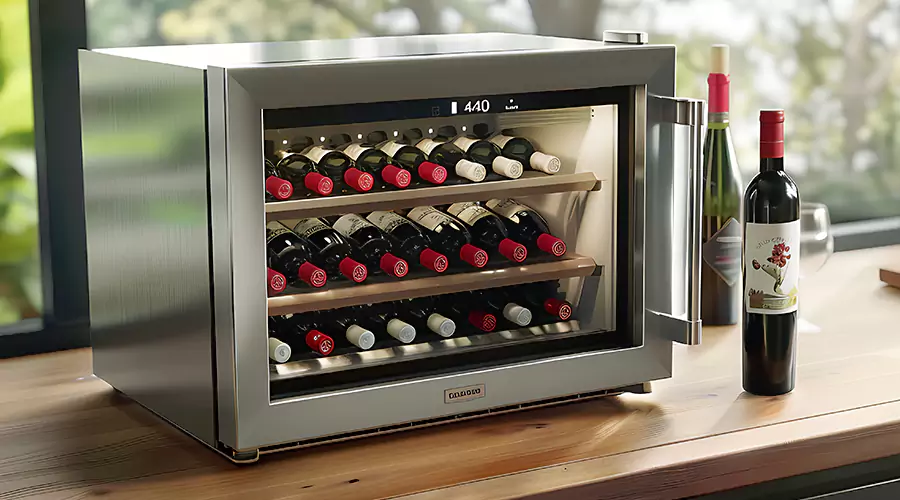
A wine cooler keeps bottles at a steady temperature so wine ages properly and keeps its intended flavor. Many homeowners ask how does wine cooler work because the appliance looks simple but relies on cooling parts that control heat vibration and temperature changes.
A wine cooler works differently from a standard refrigerator because it protects bottle storage instead of keeping food very cold.
Quick Answer
A wine cooler works by removing heat from the cabinet and holding the interior at the selected temperature. The wine cooler cooling system uses either a compressor or thermoelectric cooling technology. Both systems create stable storage for red wine white wine sparkling wine and long term bottle storage.
How Wine Fridge Operation Works?
Basic wine fridge operation starts with a thermostat or digital control panel. You set the desired temperature and the cooler reads the cabinet air through a sensor. When the air rises above the selected setting the cooling system turns on and removes heat until the cabinet reaches the target temperature. The system then slows down or shuts off which keeps bottles within a safe storage range.
Main Parts of a Wine Cooler
Most wine coolers use several components to manage cooling, airflow, and temperature stability.
| Part | What It Does | Common Issue |
|---|---|---|
| Control panel | Lets you set the temperature | Buttons may stop responding |
| Thermostat or sensor | Reads the internal temperature | Incorrect readings |
| Fan | Moves cool air inside the cabinet | Weak airflow or noise |
| Compressor | Removes heat in compressor models | Clicking or no cooling |
| Thermoelectric module | Cools without a compressor | Poor cooling in warm rooms |
| Door gasket | Seals cool air inside | Warm air leaks |
| Shelves | Hold bottles securely | Loose or damaged rails |
Wine Cooler Temperature Control
Wine cooler temperature control protects wine from heat damage and flavor changes. Most wine coolers let you set the temperature based on the wine type inside the cabinet. Red wine usually stores warmer than white wine. White wine and sparkling wine need cooler storage for serving quality and freshness. Dual zone models give you two separate temperature areas inside one cabinet.
Wine Fridge Temperature Basics
Wine fridge temperature depends on whether you plan to store wine or serve wine soon. Many wine collectors store bottles around 55 degrees Fahrenheit because that range supports steady aging. Serving temperature changes by wine type because red wine white wine and sparkling wine taste best at different temperatures. Stable storage matters more than frequent adjustment. Repeated temperature swings affect corks flavor and aging quality.
Compressor Wine Cooler System
A compressor wine cooler works much like a small refrigerator. It uses refrigerant with coils and a fan to remove heat from the cabinet.
This design works well in warmer rooms and supports larger bottle collections. Compressor models also fit many built in installations but usually create more sound and vibration than thermoelectric models.
Wine Cooler Compressor Function
The wine cooler compressor pressurizes refrigerant and moves heat out of the appliance. When the cabinet gets too warm the compressor turns on and starts the cooling cycle.
The refrigerant absorbs heat from inside the cooler. Heat then moves through the coils and releases outside the unit so the cabinet returns to the selected temperature.
Thermoelectric Wine Cooler System
A thermoelectric wine cooler uses electrical current and a cooling plate instead of a compressor. This system runs quietly because it has fewer moving parts.
Thermoelectric models work best in mild indoor spaces with steady room temperatures. This cooler type fits small wine collections well but struggles when the room gets too hot.
Compressor vs Thermoelectric Wine Coolers
This quick comparison can help homeowners understand both cooling styles.
| Feature | Compressor Wine Cooler | Thermoelectric Wine Cooler |
|---|---|---|
| Cooling power | Stronger cooling | Moderate cooling |
| Room temperature handling | Better in warm rooms | Better in stable rooms |
| Noise level | Some operating sound | Usually quieter |
| Capacity | Good for larger units | Good for smaller units |
| Vibration | Can have light vibration | Usually low vibration |
| Maintenance | More mechanical parts | Fewer moving parts |
Wine Cooler Humidity Control
Wine cooler humidity control helps keep corks from drying out during storage. If the air becomes too dry, corks can shrink and allow air into the bottle. If the space becomes too humid, labels may peel or mold may develop.
Many wine coolers manage humidity by keeping a stable sealed environment. Some higher-end models offer more advanced humidity features.
Why Airflow Matters?
A fan helps move cool air around the cabinet. A wine cooler fan problem can cause uneven temperatures from shelf to shelf.
Keeping vents clear helps the cooler maintain steady storage conditions.
Signs of Airflow Trouble
- Bottles near the top feel warmer than lower shelves.
- The cooler runs longer than usual.
- The fan makes grinding or rattling sounds.
- Frost appears near vents in some models.
- Temperature changes happen without a setting change.
Wine Storage Appliance Benefits
A wine storage appliance gives bottles a more controlled environment than a kitchen refrigerator. A standard refrigerator is usually too cold for long-term wine storage. It also opens often, which creates temperature swings. A wine cooler protects bottles from frequent door movement. It also keeps wine separate from food odors.
Wine Cooler Maintenance
Regular wine cooler maintenance helps the appliance cool properly and last longer.
Simple Maintenance Tips
- Keep the cooler away from direct sunlight.
- Leave ventilation space around freestanding models.
- Clean dust from vents every few months.
- Avoid overloading shelves with too many bottles.
- Wipe spills before they create odors.
Wine Appliance Maintenance for Long-Term Use
Good wine appliance maintenance also includes checking temperature accuracy. Use a small appliance thermometer if the display seems wrong. Inspect the power cord and outlet if the cooler shuts off. Keep the unit level so doors seal correctly. A level cabinet also helps reduce vibration during operation.
Wine Cooler Troubleshooting
Basic wine cooler troubleshooting starts with the power supply, temperature setting, vents, fan, and door seal. Make sure the cooler is plugged into a working outlet. Check whether the door closes tightly.
Look for blocked vents inside the cabinet. Confirm that the room is not too hot for the cooler type. Simple checks can solve many performance issues.
Why Is My Wine Cooler Not Cooling?
A wine cooler not cooling usually has a dirty vent or blocked airflow. A failed fan bad thermostat weak compressor or damaged door gasket also stops the cabinet from reaching the selected temperature.
Start with the temperature setting and then inspect the door seal for gaps. Check the vents and make sure bottles do not block airflow. If the unit runs but never gets cold internal parts need professional testing.
Wine Fridge Repair
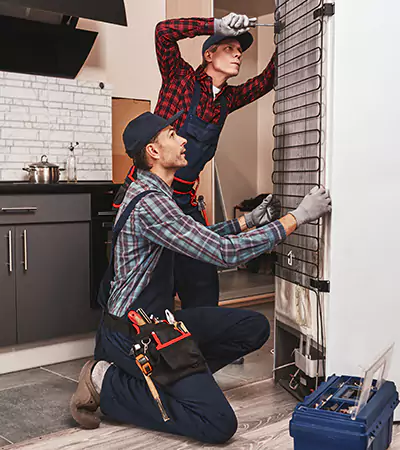
Professional wine fridge repair is the right choice when the unit will not cool keeps cycling leaks water or makes loud noises. A technician tests the compressor fan thermostat sensor and control board to find the failed part.
Electrical testing needs proper tools and safe handling. Repair is often worthwhile for built in units premium models and newer appliances because replacement costs more than fixing one failed part.
Common Wine Cooler Parts
Common wine cooler parts include fans, sensors, control boards, door gaskets, shelves, compressors, and thermoelectric modules.
The right replacement part depends on the brand and model number.
Using the wrong part can cause poor cooling or fit problems.
Always check the owner’s manual before ordering parts.
Beverage Cooler Guide
A beverage cooler guide is useful because wine coolers and beverage coolers are not always the same. Beverage coolers often run colder for soda, water, and canned drinks.
Wine coolers focus more on stable temperatures for bottles. Some dual-purpose models can store both wine and beverages.
Choose the design based on what you store most often.
Wine Refrigerator Guide
A helpful wine refrigerator guide explains cabinet size first because bottle count affects storage space and shelf layout. It also covers cooling type because compressor models and thermoelectric models work better in different room conditions.
Freestanding models need open space around the sides and back so heat can escape. Built in models vent through the front and fit under counters with proper clearance.
Single zone models work well for one wine type. Dual zone models work better for mixed red and white collections because each section holds a different temperature.
Wine Cooler Buying Guide
A practical wine cooler buying guide starts with bottle capacity and location.
What to Look For
- Choose the right bottle capacity for your collection.
- Pick single-zone storage for simple use.
- Choose dual-zone storage for mixed wine types.
- Check ventilation requirements before installation.
- Look for removable shelves for easier cleaning.
Final Thoughts
A wine cooler works by controlling temperature, airflow, and storage conditions for wine bottles. The cooling method may use a compressor system or thermoelectric technology.
Regular care keeps the appliance stable and helps protect your collection. If the cooler stops cooling or shows repeated temperature problems, professional service can help identify the cause before the wine is affected.